You don’t need acres of land to grow a garden that actually feeds you, or one that just makes you happy to look at every morning.
Some of the most productive gardens I’ve helped design were tucked into tiny backyards, side yards, and even strips of dirt along a fence line. In fact, one of the most beautiful and productive gardens I tend is tucked into a small empty lot in the middle of downtown Austin, Texas.
If you’ve been putting off gardening because your space feels too small, this list is for you.
Here are 25 home gardening ideas that work in small backyards and urban areas— whether you’re growing vegetables, flowers, or herbs or just trying to jazz up an unused corner.

This post contains affiliate links, which means I earn a small profit when you click on the link and purchase my recommendations. As an Amazon Associate I earn from qualifying purchases. Thanks for supporting my small business!
START WITH THE LAYOUT
1. Go vertical before you go wide.
Trellises, obelisks, and wall-mounted planters let you grow up instead of out. Vining crops like cucumbers, cherry tomatoes, pole beans, peas, and even some squash varieties can be trained upward so that they require hardly any ground space at all. That frees up so much room for everything else.
Flowering vines also look stunning on small trellises. Consider something like sweet peas, morning glories, or a climber native to your region to anchor your small garden visually.

2. Use raised beds to define your growing space.
A raised bed does double duty in a small yard: It lets you grow in great soil and even makes a garden on concrete or wooden decking possible. It warms up faster in the spring, makes gardening easier on your back, and visually organizes a space that might otherwise feel cluttered. (Wait, is that quintuple duty?)
👉If you’re building your own, avoid these common raised bed mistakes before you start.

3. Try square foot gardening.
Dividing a raised bed into a grid lets you plan exactly what goes where and avoid wasted space — a game changer if you’re working with something like a 4×4 or 4×8 footprint.
👉Learn how to plan a square foot garden with our free printable for your layout.
4. Border your beds along a fence line.
When it comes to a garden, a fence can be so much more than just a boundary between yards. Think of it as free vertical real estate. Raised beds along a fence make efficient use of narrow strips of yard that would otherwise go unused. You can use the fence itself to grow vertically, or you can fashion a trellis with cattle paneling and some heavy-duty fence staples or j-hooks.

5. Group containers by sun exposure, not by plant type.
Cluster pots that need full sun together, and shade-tolerant containers together. It makes watering and care far more efficient than scattering pots randomly around the yard.
Speaking of sun, you can absolutely still grow a little garden even if you have very little sun. Herbs like rosemary and mint, plus leafy greens like lettuce, need just 4 hours of sunlight a day to grow.
GROW FOOD IN LESS SPACE
6. Give container vegetable gardening a try.
Tomatoes, peppers, salad greens, root crops like radishes, and many more edible plants do well in containers. You’d be amazed at the amount of food you can grow on a patio or deck with zero in-ground space required.
👉Check out these easy container gardening tips for beginners.

7. Plant a compact herb garden near the kitchen door.
Herbs are some of the easiest plants to grow in a small footprint, and having them within arm’s reach of the kitchen means you’ll actually use them.
Instead of growing several herbs in individual pots, try grouping them all in one larger planter. It’s way easier to care for: not only is there just one space to water, but the soil will dry out much slower. That increases your chances of success. Plus, herbs are happy to grow alongside one another.
👉Start with these herbs if you like the idea of growing your own tea.

8. Try growing microgreens and sprouts indoors.
If your outdoor space is genuinely tiny, microgreens grown on a sunny windowsill or under a grow light give you fresh, flavor-packed, nutrient-dense greens without even needing a garden bed at all. You can even “grow” your own sprouts in a jar (yes, I still consider that gardening!). The plants are tiny, but the harvest is no less rewarding.
👉Check out our guides to growing microgreens and sprouts indoors.

9. Buy seeds for dwarf varieties.
Seed companies offer so many options nowadays for container, or dwarf, varieties with urban gardeners in mind.
You can grow vining tomatoes that grow just 4 feet tall instead of… forever. You can grow smaller versions of eggplant, peppers, cucumber, zucchini, and even leafy greens like kale. There are also blueberry bushes designed to be grown in pots and strawberry plants without runners, ideal for small containers. Just look for words like “compact,” “bush,” “dwarf”, or “container” on the seed packet or plant tag.
👉Renee’s Garden is one of the best for dwarf and container varieties available.

10. Grow potatoes in grow bags.
Fabric grow bags take up a small footprint and are perfect if you don’t have room for a dedicated potato patch. Just grab some inexpensive fabric grow bags, fill them up with soil, and then order yourself some seed potatoes.
👉Then, follow our guide to growing potatoes for beginners.
11. Buy a hydroponic countertop garden.
Aerogarden-style setups are a good option if you want fresh herbs or greens year round without any outdoor space at all. They’re super beginner friendly and easy to maintain. I’ve been amazed by how many herbs I can grow in mine. Plus, you can have greens out of season!
👉Explore the best plants to grow in an Aerogarden.

12. Fit more plants with a grow tower.
Vertical planters have a small footprint but allow you to grow lots of food. This type of gardening system is great for salad greens like lettuce and spinach, herbs, small root crops like radishes, and even strawberries. Most grow towers even help you care for your plants by distributing water to each tier. I recommend looking for a vertical planter with pockets at least 10 inches deep, like these.
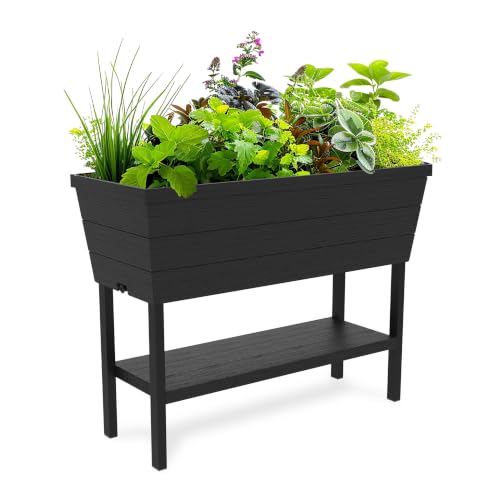
13. Plant a salad table.
A shallow raised container, just deep enough for lettuce and other leafy greens, can live on a patio and keep you in fresh salad greens all season. Something like this standing planter could live on a balcony or patio and grow more than enough greens for the whole family.

MAKE IT BEAUTIFUL
14. Interplant vegetables with flowers.
Maybe you’re worried about sacrificing beauty for productivity. There’s no need. First of all, you can plant flowers around your veggies to add color.
Bonus: companion flowers like marigolds, nasturtiums, and sweet alyssum actually help deter pests.
Secondly, there are plenty of edible plants that are every bit as attractive as flowers, including kale, swiss chard, and strawberries.
👉Here are my favorite flowers to companion plant with veggies.

15. Try chaos gardening.
I’ve heard from many of my clients that they’re stressed out by planning smaller garden beds. The smaller the bed, the more important precise placement of each plant is, right?
This may sound counterintuitive, but chaos gardening can be ideal in smaller spaces. You basically just scatter seeds for small leafy greens or even a mix of flowers. Then, you let them grow in together for a wildflower-style bed that requires very little planning and looks stunning by midsummer.
👉Check out my favorite flowers for a wild and wonderful chaos garden.
16. Add an edible flower bed.
It’s normal to start a garden and want to grow all the things. To keep yourself in check when space is limited, I recommend picking a theme, like edible flowers. Nasturtiums, calendula, and violas are both beautiful and useful in the kitchen — a great way to make a small ornamental bed pull double duty.
You could also focus on growing herbs and flowers for homemade teas or even medicinal herbs.
👉Explore the top edible flowers you can grow at home.
17. Plant easy-to-grow cut flowers.
Zinnias, strawflowers, and other reliable cut flowers let you grow your own bouquets from a surprisingly small patch of ground. You don’t really need to worry about spacing these guys out, and maintenance is practically non-existent. Just keep them watered during long periods without rain. Growing cut flowers is an easy way to turn a plain corner into something alive and buzzing, even in the most urban of settings.
👉Check out our easy cut flower guide for beginners.

18. Underplant with groundcover.
Low-growing plants around the base of taller ones fill in gaps, suppress weeds, and make a small garden feel intentional instead of sparse.
In a food garden, I like to use low-growing herbs like thyme, oregano, and trailing rosemary as ground cover around taller veggies. I also add lots of shorter flowers like pansies, vinca, or petunias, depending on the season.
WORK WITH WHAT YOU HAVE
19. Start small and expand later.
One small raised bed or a handful of containers is a completely legitimate way to begin. You can always add more once you know what you enjoy growing (and what you actually use in your kitchen).
20. Build a garden on a budget.
Reclaimed metal tubs, secondhand containers, homemade soil mixes, and seed swaps can get a small garden started without a big investment.
👉Find more easy ways to start your garden on a budget.
21. Choose plants suited to your space’s sun, not your Pinterest board.
Before planting anything, track how much direct sun your space actually gets. A garden that matches your real conditions will always outperform one planned around what looks good in photos.
As long as you get more than 4 hours of sun, you can grow herbs and leafy greens like lettuce. With 6 or more hours, you can do root crops like carrots, and with 8 or more hours, you can pretty much grow anything you want.
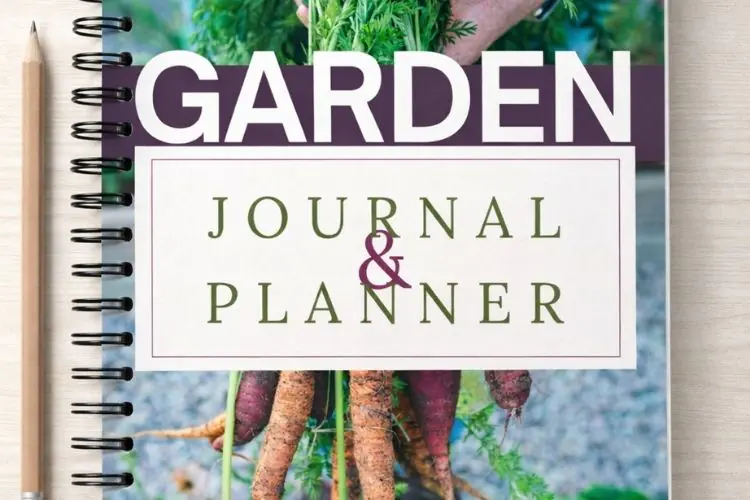
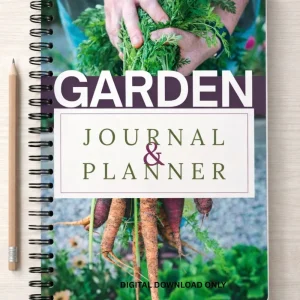
22. Use a digital garden journal.
Small spaces benefit from careful planning since every square foot counts (unless, of course, you’re going for chaos gardening!). A garden planner can help you track what you planted, when, and how it performed to help you make better use of limited space next season.
👉Grab our super-easy-to-use digital garden journal.
23. Repurpose what you already have.
Wooden crates, buckets, and old furniture can all become planters. A small garden is a great excuse to get creative with containers you already own. One of the cutest herb gardens I ever saw was planted in an old wooden drawer.
24. Plant in succession.
In a small space, once one crop finishes, plant something else in its place right away. This keeps productivity high without needing more square footage. In one season, you might grow several rounds of lettuce or radishes.
25. Don’t skip the soil.
Small gardens have even less room for error — good soil is the single biggest factor in whether a small raised bed or container garden thrives or struggles. It’s worth getting right before anything else.
👉Use our soil calculator to figure out how much you’ll need to fill a container or raised bed. And follow these tips to fill raised beds for cheap without sacrificing quality.

SMALL SPACE, REAL GARDEN SUCCESS
Don’t think of your small outdoor space as a limitation. It’s nothing more than a design constraint, and honestly, constraints often lead to more creative thinking. And creative thinking produces better, more thoughtful garden spaces.
Let us know which of these tips you like the most! Once you see what thrives in your small-space garden, you might just come up with a few tips of your own, and we’d love to hear them!