When small pests like aphids attack your garden, it’s easy to mistake the damage for disease, thirst, or nutrient deficiencies. But when something like a hornworm, slug, or Japanese beetle comes for your plants, you’ll know it’s a large chewing pest right away. There will be no mistaking the holes in the leaves for disease or fertilization issues.
Even though the damage is noticeable, the presence of these garden pests often feels like a sneak attack. Yesterday your leaves were fine, and today there are holes everywhere.
Not to worry. There are plenty of ways to make your garden less inviting to these chewing pests and handle them once they’ve arrived.
Let’s look at what kind of damage these vegetable garden pests cause, how to keep their destruction to a minimum, and how to treat them organically.
Note: We’ll focus on insect pests that chew your leaves. Animals that eat your leaves deserve their own post.

This post contains affiliate links, which means I earn a small profit when you click on the link and purchase my recommendations. As an Amazon Associate I earn from qualifying purchases. Thanks for supporting my small business!
SIGNS OF PEST DAMAGE
If a large chewing pest is dining on your plants, here’s the type of damage you can expect to find:
- Large, irregular-shaped holes in leaves
- Ragged damage to leaf edges
- Translucent sections on leaves where a thin layer has been chewed
- Skeletonized foliage (only the leaf veins remain)
- Slimy black, green, or brown poop (gross, I know)
- Seedlings reduced to stems and veins
- Stunted growth and plant death
You may also find pest eggs affixed to the leaves of your plants. Egg appearance and location vary by pest, but many are round and pale green or yellow in color. Most are laid in clusters.

LARGE CHEWING PESTS
Unlike small pests like aphids, any one of these guys can mean bad news for your garden if you leave them to their own devices. You’d be amazed what a single hornworm can do in one weekend to your tomato plants.
Our main large chewing pests are:
- Cabbage loopers
- Cabbage worms
- Colorado potato beetles
- Cucumber beetles
- Cutworms
- Flea beetles
- Japanese beetles
- Leaf miners
- Mexican bean beetles
- Pillbugs
- Slugs and snails
- Squash vine borers
- Tomato hornworms
While prevention will, for the most part, look the same for these pests, your best course of action depends on which of these creepy crawlies is attacking your vegetables.
So first, I’ll help you identify your garden’s new foe based on their physical characteristics and the damage they cause. Then, we’ll look at how to take targeted action against them.
CABBAGE LOOPERS
(Trichoplusia ni)
These ravenous leaf eaters are often confused with cabbage worms and cabbage moth caterpillars. And honestly, you’ll handle them the same way, so the distinction isn’t that important. They all hang out on the underside of leaves and feed from there.
Cabbage Looper Identification
- This pest is a smooth, light green caterpillar with white stripes along the sides.
- It moves in a distinctive “looping” or inchworm motion because it lacks middle legs.
- It can grow up to about 1½ inches long.
- The adult form is a gray-brown nocturnal moth.
Plants Affected
- This pest targets cabbage, broccoli, cauliflower, kale, Brussels sprouts, collards, and other brassicas.
- Cabbage loopers won’t say no to a nice head of lettuce.

CABBAGE WORMS
(Pieris rapae)
They may be called worms, but these guys are caterpillars on their way to becoming butterflies. Like cabbage loopers, they blend in really well with plant foliage.
Cabbage Worm Identification
- Cabbage worms are velvety green caterpillars with a faint yellow stripe down the back.
- They’re slower moving than loopers.
- They grow to be about 1 to 1¼ inches long before becoming cabbage butterflies.
- The adult form is a white diurnal butterfly called a cabbage white.
Plants Affected
- Again, these caterpillars go for anything in the cabbage family: broccoli, cauliflower, kale, collards, Brussels sprouts, and other brassicas.
👉 Learn more about how to keep your brassicas safe from cabbage worms, loopers, and moths.

COLORADO POTATO BEETLES
(Lepinotarsa decemlineata)
As you might expect, these pests may come for your potatoes. Both the adults and their larvae chew on the leaves, often leaving nothing but the veins.
Colorado Potato Beetle Identification
- The adult beetle is an oval, yellow-orange beetle with black stripes running lengthwise on its wing covers.
- Larvae are reddish-orange with black spots and black heads.
- Adults are about ⅜ inch long.
Plants Affected
- This pest prefers potatoes.
- It’ll also attack nightshade cousins like tomatoes, eggplants, and peppers.

SPOTTED & STRIPED CUCUMBER BEETLES
(Diabrotica undecimpunctata howardi and Acalymma vittata)
Cucumber beetles have that ladybug-type cuteness about them, but they are, in fact, pests that can cause a good bit of damage. Unfortunately, they can spread a disease called bacterial wilt as they feed. Once a plant gets bacterial wilt, the leaves will droop, whole stems will collapse, and eventually, the plant will die.
Cucumber Beetle Identification
- Striped cucumber beetles are yellow with black stripes.
- Spotted cucumber beetles are yellow with black spots.
- Both grow to be about ¼ inch long.
Plants Affected
- Cucumber beetles target cucumbers, of course.
- They’ll also attack squash, pumpkins, melons, zucchini, and occasionally beans and corn.

CUTWORMS
(Many species from the family Noctuidae)
Nothing about these guys is cute: not their name, their appearance, or the damage they can bring to your garden. They sever seedlings at ground level or chew the outer stem tissue until the seedling wilts.
Cutworm Identification
- Cutworms are thick, smooth caterpillars (not actually worms) that are green, gray, brown, black, or tan.
- They can grow up to 2 inches long.
- They curl into a “C” shape when disturbed.
- They’re usually found hiding in the soil during the day.
- Adults are brown or gray night-flying moths.
Plants Affected
- Cutworms love tomato, pepper, cabbage, broccoli, and kale seedlings.
- They’ll go after many other vegetable seedlings, too, including lettuce and beans.
- Irregular-shaped holes all over the host plant’s leaves (flea beetles)
- Irregular-shaped patches or narrow, winding trails of white or brown on leaves (leafminers)
- Failure to thrive in younger plants

FLEA BEETLES
(Many species in the family Chrysomelidae)
If you’re growing eggplant, you will most likely encounter these common vegetable garden pests. Your leaves will look like someone was doing target practice with the world’s smallest rifle.
For the most part, their feeding activity has little impact on plant growth in older, more established plants. Flea beetles cause the most damage to younger plants, and their larvae live in the soil and can, on occasion, cause damage to plant roots.
Flea Beetle Identification
- Flea beetles are small (just 1/10” long) but easy to see if you’re looking.
- These shiny black beetles hop around like fleas when disturbed, thus the name.
Plants Affected
- In addition to eggplants, you may find these guys on other plants in the nightshade family (think potatoes, peppers, and tomatoes).
- Flea beetles will go after brassicas (like radishes, kale, and cabbage).
- They also like corn and spinach.

JAPANESE BEETLES
(Popillia japonica)
These beetles are attractive (for beetles), but their work on both your edible and ornamental plants will not leave you impressed. They’ll quickly turn the leaves into lace with their incessant chewing.
Japanese Beetle Identification
- Adults are metallic green with copper-colored wing covers and small white tufts of hair along the sides of their abdomen.
- They can grow to be about ½ inch long.
Plants Affected
- These beetles aren’t picky. They like beans, corn, tomatoes, peppers, asparagus, and basil.
- They’ll also attack fruit trees, bushes, and vines, including grapes and raspberries, plus ornamentals like roses.

LEAFMINERS
(Many species from the family Agromyzidae)
Leafminers are the larvae of various types of flies. These flies insert their eggs inside leaves, and then their babies tunnel through your leaves, feeding on leaf tissue. This leaves behind “mines”, or long, narrow patches of dead tissue. Mines are typically opaque and then turn brown.
Leafminer damage is really only an issue when you’re growing vegetables for their edible leaves. Once they’re attacking your leafy greens, there’s not much you can do other than prune affected leaves. There’s not really another way to kill the larvae that are already feeding inside the leaves. If leafminers are attacking the leaves of a root crop, you may not need to take further action. The root should still develop just fine.
Leafminer Identification
- You’ll probably never see the actual larvae, just the trails they leave behind.
- Larvae are white or yellow, carrot-shaped insects without legs or an obvious head.
Plants Affected
- Leafminers love leafy greens like spinach, swiss chard, and lettuce.
- They’ll feed on the leafy green tops of root vegetables like beets.
- I often find their damage on nightshades (tomatoes, eggplant, peppers, and potatoes).
- They also like the nice, big leaves of plants in the squash family (cucumbers, squash, and melons).

MEXICAN BEAN BEETLES
(Epilachna varivestis)
Don’t mistake these guys for ladybugs. Both the adults and their larvae chew leaf tissue down to the veins, but the larvae do most of the damage. If you find these pests in your garden, it’s a good idea to remove all bean plants, clean the planting area, and start over.
Mexican Bean Beetle Identification
- These are copper to orange ladybug-like beetles with 16 black spots.
- Larvae are yellow and covered with branched spines, giving them a fuzzy appearance.
- Adults are about ¼ inch long.
- Their eggs are orange-yellow and laid in clusters on undersides of leaves.
Plants Affected
- These pests target beans: snap beans, lima beans, soybeans, pole beans, bush beans, and other legumes.

PILLBUGS (ROLY-POLIES)
(Armadillidium vulgare)
These pests go by many names: wood lice, sow bugs, potato bugs, slaters, or armadillo bugs. And whether or not they’re really even pests is up for debate. They help turn decaying plant matter into compost, which increases available nutrients in the soil.
Their damage is usually pretty minor, maybe a few holes here and there. It’s really only when they’re short on decaying matter that they turn to eating living plants. That’s when they can cause significant damage to seedlings. Other than that, they’re mostly just a slight nuisance.
Pillbug Identification
- These are small, gray, oval crustaceans with segmented armor, like mini armadillos.
- They roll into a tight ball when disturbed (thus the name “roly-polies”).
- Adults are about ¼ to ½ inch long.
Plants Affected
- They mostly target tender seedlings.
- They prefer young strawberries, lettuce, beans, carrots, cucumbers, squash, and potatoes.
- They look for low-growing fruits and vegetables, especially those touching moist soil.

SLUGS AND SNAILS
(Many species in the class Gastropoda)
These land-dwelling mollusks can be a major pain in the vegetable garden. They hide during the day and then come out to feast at night or on rainy, overcast days. They can chew seedlings and small plants down to nothing but a little stub overnight.
Slug & Snail Identification
- Snails have a hard outer shell, while slugs do not.
- Their soft, slimy little bodies can be gray, black, orange, brown, tan, or mottled.
- They often leave a shiny slime trail behind.
Plants Affected
- They’re attracted to tender vegetable seedlings.
- They love wet foliage.
- Their favorite plants seem to be lettuce, spinach, cabbage, strawberries, beans, and basil.

SQUASH VINE BORERS
(Melittia cucurbitae)
These are perhaps my least favorite of all pests to deal with in the garden. They chew through a squash plant’s base from the inside. By the time you notice your plant wilting, it’s typically already too late to save it.
So if squash bugs are prevalent in your area, you’ll have to take steps to prevent their destruction and keep a watchful eye out for the greenish sawdust-like material around plants called frass they leave behind. Or be prepared to rip out all your squash plants.
Squash Vine Borer Identification
- The adults are moths that look like orangey-red wasps with black spots and long, clear wings, but they’re not the problem. It’s their larvae that do all the damage.
- Larvae are white grub-like caterpillars with brown heads that bore into stems and live in the base of squash vines.
Plants Affected
- These pests target squash plants, including summer squash, winter squash, gourds, and pumpkins.
- They sometimes go after melons and cucumbers.

TOMATO / TOBACCO HORNWORMS
(Manduca quinquemaculata; Manduca sexta)
These destructive little beasts grow at an alarming rate thanks to all the leaves they can ingest in a single day. You’ll be made aware of their presence when entire stems on your tomato plants are suddenly devoid of leaves. You’ll have to look closely to find the culprits. They’re masters of camouflage!
Tomato Hornworm Identification
- Hornworms are green caterpillars with diagonal stripes down their sides and the characteristic “horn” (which looks scary but can’t hurt you) at the end of their bodies.
- They can grow up to 4 inches long.
- Adult hornworms are large nocturnal moths with brown or gray wings.
- You may ID them first by their noticeable poop, which looks like dark green Nerds candies on the leaves of your plants.
Plants Affected
- Hornworms attack primarily tomatoes in the home garden.
- They also like plants in the Solanaceae family, including peppers and eggplants.

HOW TO PREVENT HORNWORMS, JAPANESE BEETLES, SLUGS, & OTHER PESTS
Follow these best gardening practices to make your garden less appealing to these chewing pests looking for an easy meal.
Cover Your Garden Beds
The very best way to keep these guys out of your garden is through physical control. Cover your garden bed with netting/floating row covers at the time of planting host plants. This prevents adults from laying their eggs in your garden.
Remove these covers during the day when fruiting plants like tomatoes and cucumbers begin to flower and require pollination. Better yet, look for self-pollinating squash and cucumber plants so you can keep them covered at all times.


What Are Floating Row Covers?
These covers are made of lightweight mesh, which means they allow sunlight and rain through but keep insects out. If installed before the pest has access to your garden space, they can be extremely effective.
Make sure to secure the edges of these covers using bricks, landscaping pins, or clamps to prevent insects from crawling underneath. Leafy greens can be grown entirely under row covers, while fruiting plants will either need to be hand-pollinated or uncovered and exposed to pollinators during the day time.
Grow Flowers Alongside Veggies
I can’t emphasize enough the importance of interplanting flowering herbs and annual flowers in your veggie patch. These flowers help reduce pest populations by attracting many different types of beneficial insects, including ones that prey on or parasitize chewing pests.
Flowering herbs like dill and cilantro are especially attractive to the parasitic wasps that use pests like hornworms as a host for their young.
PSA: Don’t kill hornworms that have what look like white eggs on their back. They won’t cause any more harm to your tomatoes.
👉 Learn more about our favorite flowers to companion plant with veggies.

Avoid Mulch
I don’t recommend covering your garden in large pieces of mulch, which pests can hide underneath. Mulch is also in the process of decaying, so it attracts pests like slugs and pill bugs. Instead of mulching, I recommend covering the soil with finely sifted compost or plant matter by mixing veggies of different sizes and spacing them tighter than you would crops growing in long rows on farms.
Interplant Herbs & Alliums
Add aromatic herbs and onion family plants around your garden borders. Pests like flea beetles use small antennae to smell host plants, so the strong scents can throw them off. Plus, alliums like onions, chives, and garlic actually repel certain pests with their strong scent. I like to plant chives or green onions alongside vulnerable vegetables to protect them.

Stay Vigilant
Check on your garden daily so you can nip issues in the bud. If you’re not covering seedlings after planting, inspect them for leaf damage frequently.
Clean the Soil Surface
Clean old plant debris from the surface of your soil before winter. Many beetles and caterpillars can overwinter in garden debris. They hang out just below the surface, so there’s typically no need for deep tilling.
Invite Natural Enemies
Birds are natural predators of many chewing pests, especially caterpillars. Invite birds into your garden space by adding a bird bath or fountain. You’ll also want to keep frogs, toads, and even snakes around, since they’re known to eat many of these pests.
Practice Crop Rotation
Since pests can overwinter in your garden under plant debris and mulch, avoid growing host plants in the same garden bed next year if pests have been an issue.
Water Right
Avoid using overhead sprinklers or spraying leaves with water since wet leaves attract pests like slugs. When watering by hand, hold your watering can or hose close to the soil. If you’re installing irrigation, I recommend drip lines over overhead sprinklers.
👉 Learn the best methods for watering your garden.
Use Plant Collars
For squash vine borers: Wrap a strip of aluminum foil or medical tape around the base of squash seedlings to protect them from females looking for a spot to lay their eggs.
For cutworms: Wrap a collar made from a toilet paper tube or foil around the base of young seedlings. Bury this collar at least ½ inch into the soil.
For slugs and snails: Wrap copper strips around seedlings to prevent feeding.
Maintain Good Drainage
Overly wet soil can attract pests like pill bugs and slugs, so ensure your garden bed or container has proper drainage. You can improve drainage in a raised bed or in-ground bed by amending the soil with coarse sand and compost.
HOW TO GET RID OF LARGE CHEWING PESTS LIKE CATERPILLARS AND BEETLES NATURALLY
Don’t panic if you notice a fat caterpillar in your garden. Most infestations can be treated, as long as you stay on top of the situation. That means several weeks of running through these 3 steps over and over again until the pests are gone and no new damage appears.
Step 1
Start with physical removal.
Search for pests on the stems and leaves of your plants, as well as in the surrounding soil area. Remove any visible pests and drop them into a bowl of soapy water. Brush off any eggs visible on leaves.
For flea beetles: I use my gloved hand to squish them since they’re so small. You can also spray the leaves of any affected plants with water. I like to leave out yellow sticky traps to capture adults.
For squash vine borers: Look for the small, reddish-brown, pinpoint-sized eggs on the stems and undersides of leaves, and pick them off or remove them with double-sided tape. If you find a hole in the stem while the plant is still in okay condition, try slicing open the stem, digging out the borer (not for the faint of heart), and covering the exposed stem with a mound of soil.
For catepillars, slugs, snails, and larger beetles: Simply pick of plants, be sure to check back of leaves. Dunk in soapy water or throw away.
Check back every couple of days for more pests.
Step 2
Clean up the garden.
Start by pruning any damaged leaves. Toss these leaves in the trash in case they have eggs on them.
Then, clear the soil around the plant of any debris that pests could be hiding under. Also, some large chewing pests are attracted to the scent of decaying plant material.
Repeat steps 1 and 2 every 2 to 3 days for several weeks.
Step 3
Treat.
If you still see signs of pests, it might be time to turn to organic pesticides. I like Captain Jack’s B.t spray and Captain Jack’s NeemMax, which work on a number of different pests.
Note: Use these sprays in the early morning or evenings as direct sunlight will cause damage to your plants.


What Is Monterey B.t.?
Captain Jack’s B.t. is a form of Monterey B.t., an organic product used to control caterpillars and other large pests. It’s made of Bacillus thuringiensis, a naturally-occurring soil-dwelling bacterium that kills caterpillars but is considered safe for humans, beneficial insects, and most other organisms.
When applying diluted B.t. spray, focus on the areas where pests are present. It’s best to spray in the evening because B.t. degrades in the sunlight. Repeat the application every week as needed, especially after rainfall (which will wash B.t. off the leaves). Wait 3 to 5 days before harvesting from the plant, and wash your produce thoroughly before eating.
For Mexican Bean Beetles, Japanese Beetles, and Cucumber Beetles:
If the above sprays don’t work, you might consider Diatomaceous earth, which works on insects with hard outer shells or exoskeletons.

What Is Diatomaceous Earth?
Diatomaceous earth is a naturally occurring, abrasive powder made from the fossilized remains of aquatic algae. A mechanical insecticide, it’s considered nontoxic and organic. You’ll sprinkle the chalky white powder on the leaves of your plants and around their bases. The powder dehydrates pests so that they’re dead within 48 hours. Reapply after rain.
For Caterpillars:
Monterey B.t. is great for caterpillars. Another option is Neem oil, a natural insecticide for soft-bodied pests. It kills them and disrupts their reproductive capabilities, as well. Captain Jack’s NeemMax is an easy-to-use Neem oil spray.
For Flea Beetles:
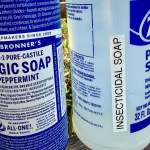
Spray garlic oil or my simple homemade insecticidal spray.
If these sprays aren’t working after a couple of weeks, it’s time to remove affected plants from the garden. Make sure to dig about 6 inches underneath and around the plants to check for more pests in the soil. Chunk the poor plants in the trash, and start over with something that hasn’t been stressed by pests.
For Squash Vine Borers:
Spray the leaves and stems of your squash plants with B.t. if you’ve found pest eggs. If borers are present inside your vines, you’ll need to inject the pesticide into the vines. Grab an oral syringe (the kind used to give liquid medicine to young children). Dilute a small amount of B.t. with water using the same ratio as given in the product label instructions, and then draw the solution into the syringe.
Look near the base of the plant, close to the soil line, for sawdust-like frass, which can point you to small entry holes. Insert the syringe into the entry hole and inject your solution.
Repeat this procedure every 7 to 10 days as a preventative measure or active treatment during peak borer season.
For Snails, Slugs, Cutworms, & Pill Bugs:
Use Sluggo for these guys. You’ll just sprinkle the granules around the base of plants. Sluggo isn’t cheap, but you can typically reserve its use for those times when your plants are most vulnerable (when they’re seedlings, after rain, etc.).

I want to leave you with one final thought, which is that pests are just a part of gardening. In fact, an organic garden might host numerous types of pests at the same time. Ideally, there are also lots of beneficial insects around to maintain the harmony.
But with that in mind, I want to normalize harvesting less-than-grocery-store-perfect produce from your home garden. Gardeners of all levels should expect some holes in their leaves. Those leaves are just as tasty and every bit as nutritious. Over time, you’ll get a sense of what type of damage you can live with and when you need to step in with targeted action.
If you found this article helpful, please share it with others! As always, feel free to ask questions in the comments. I’d love to know which pests are bugging you!
👉Dealing with sap-sucking pests like aphids, spider mites, mealybugs, or whiteflies? Don’t miss this post.